At least six farmers have been killed and dozens abducted by bandits in continuing attacks on Rijau and Mariga Local Government Areas of Niger State, northern Nigeria.
The latest attack occurred on Monday afternoon in Rijau town, the headquarters of Rijau LGA, and lasted for over two hours. The attackers reportedly moved from house to house, looting shops, stealing valuables, and rustling hundreds of cattle belonging to internally displaced persons (IDPs) taking refuge in the town.
In a report by the Daily Trust newspaper, witnesses said over 20 residents, including women and shop owners, were taken away on motorcycles. Several others sustained bullet wounds while attempting to flee.
“In Rijau, they ransacked everywhere,” one resident said. “Shops were looted, food items were taken, and people were injured. Some even hid in the ceiling. It was terrifying.”
The bandits had earlier struck multiple villages in Mariga LGA — including Ya-Bawa, Maburya, Ragada, Kura’a, and Kumbashi — forcing hundreds of villagers to flee into surrounding forests and riverine communities.
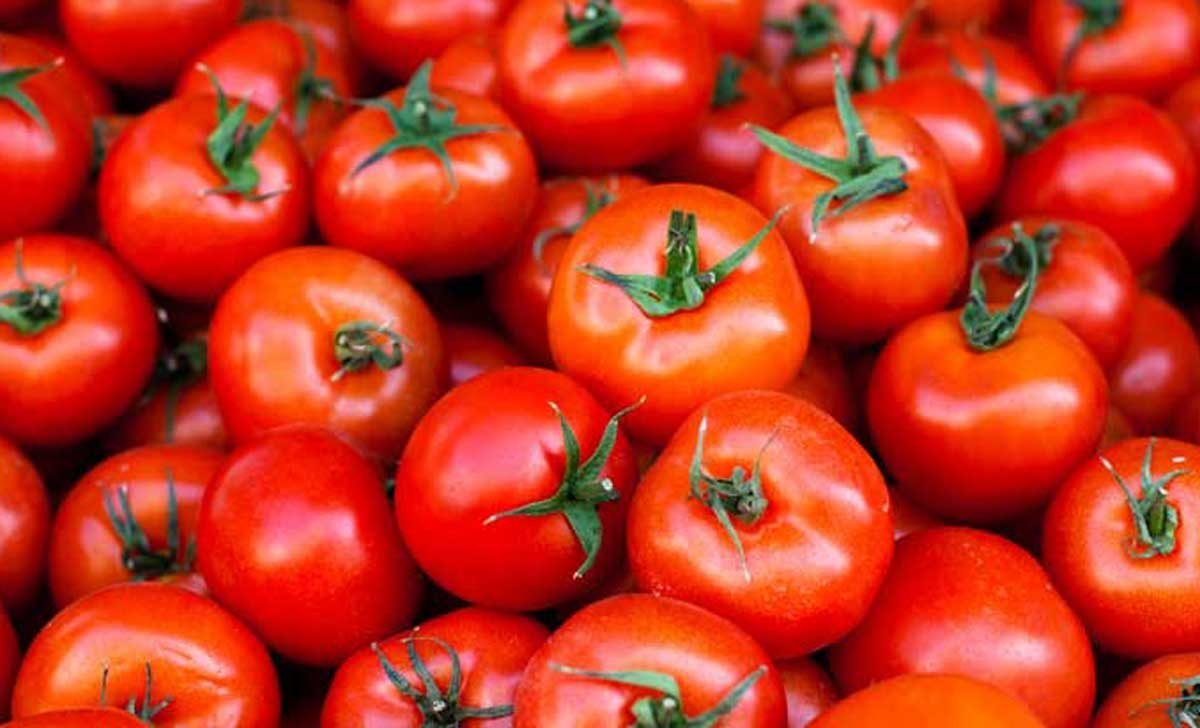
President of the United States of America, Donald Trump has announced a 17 percent tariff on fresh tomatoes from Mexico, scrapping a three-decade-old agreement to spare the produce from anti-dumping duties.
The Trump administration’s exit from the agreement on Monday came as the clock ticked down for Mexico to reach an across-the-board trade deal with the US by August 1 or face a general tariff of 30 percent on its goods.
“Mexico remains one of our greatest allies, but for far too long, our farmers have been crushed by unfair trade practices that undercut pricing on produce like tomatoes,” US Secretary of Commerce Howard Lutnick said in a statement.
Vegetables are low in calories but high in nutrients, such as vitamins, minerals, and fiber. They’re also high in natural chemical compounds called antioxidants that can help protect your cells from damage.
All gardens bask in the glory of full sun, and for those with shaded areas, growing vegetables can seem daunting.
However, many vegetables thrive without direct sunlight, making them perfect candidates for partial shade gardens.
We would explore 5 of such vegetables that can grow happily and healthily even when the sun is a bit shy.
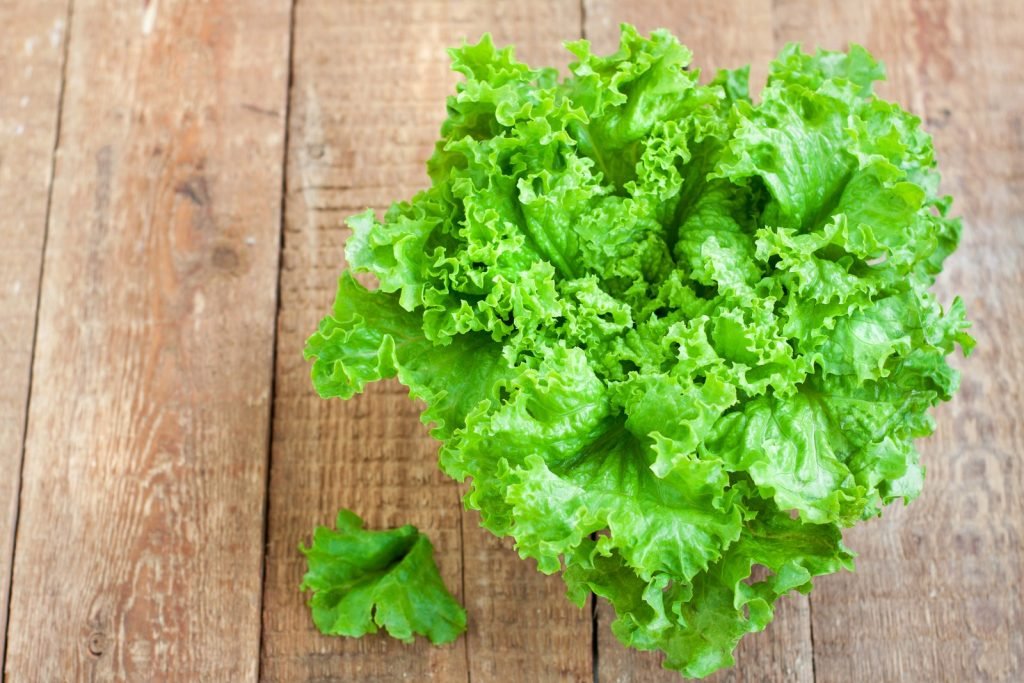
1.Leaf Lettuce
Lettuce is a good choice for shaded gardens. Its tender leaves don’t require full sun and can grow crisp and delicious in dappled light.
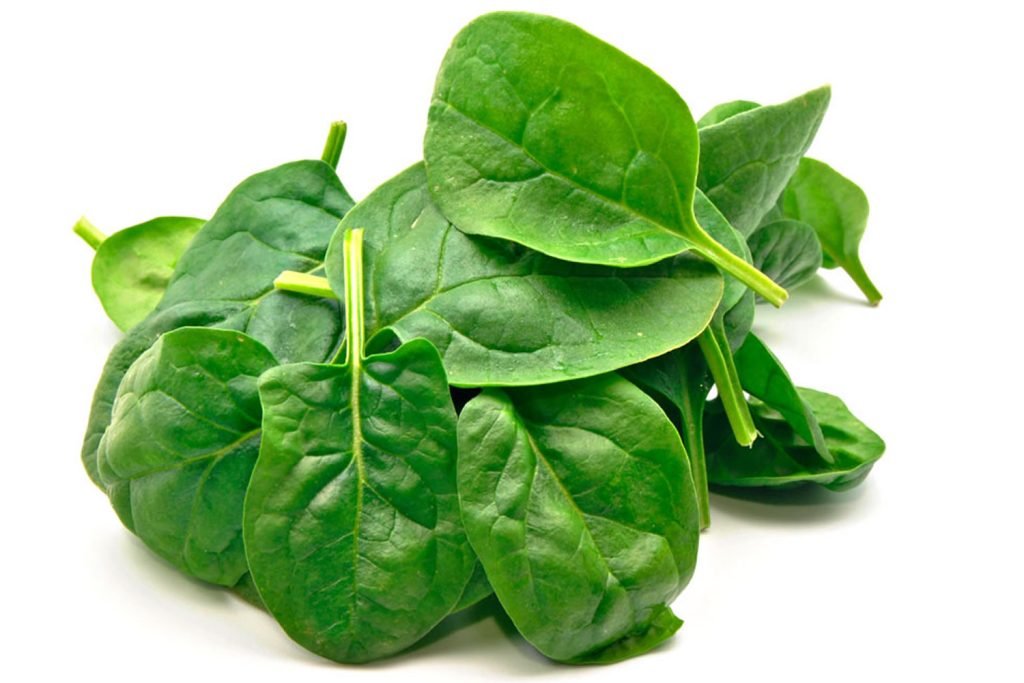
2. Spinach
Spinach enjoys cool temperatures, making it ideal for shady spots. It grows well without direct sunlight, maintaining its nutrient-rich profile.
Recently, tiger nut milk has gained popularity as a dairy-free alternative due to its rich, creamy texture and nutty flavor. In addition to being a delicious alternative to dairy milk, tiger nut milk also offers a number of health benefits.
Let’s explore some of the health benefits of tiger nut milk.
Health Benefits Of Tiger Nut Milk
Below are some of the health and nutritional benefits of tiger nut milk.
1. Very Rich in Fiber
One of the primary health benefits of tiger nut milk is that it is rich in fiber. Fiber is an important nutrient that helps to support digestive health, regulate blood sugar levels, and lower cholesterol levels.
Tiger nuts are high in soluble fiber, which helps to keep the digestive system running smoothly and prevent constipation.
In addition, fiber helps to regulate blood sugar levels by slowing the absorption of sugar into the bloodstream, which can help to prevent spikes in blood sugar levels.
2. Contains Healthy Fats
Tiger nut milk is also a good source of healthy fats, which is another fascinating nutritional benefit of Tiger nuts.
Tiger nut are also rich in healthy monounsaturated and polyunsaturated fats, which have been shown to support heart health by lowering cholesterol levels and reducing the risk of heart disease.
In addition, healthy fats are important for overall health as they help to support brain function, improve joint health, and regulate hormone levels.
3. Rich Source of Antioxidants
Another health benefit of tiger nut milk is that it is high in antioxidants.
Antioxidants are important nutrients that help to protect the body from oxidative stress and reduce the risk of chronic diseases, such as cancer, heart disease, and diabetes.
Tiger nuts are high in antioxidants, including vitamin E, which has been shown to support heart health and reduce the risk of heart disease.
In addition, vitamin E is important for skin health as it helps to protect the skin from damage caused by free radicals and UV radiation.
4. High Nutrients Contents
Tiger nut milk is also a good source of vitamins and minerals, including iron, magnesium, and potassium.
Iron is important for the production of hemoglobin, which carries oxygen to the body’s cells and helps to prevent anemia.
5 Alternatives to Dairy Milk
In addition to the health benefits mentioned above, tiger nut milk is also a good alternative to dairy milk for those who are lactose intolerant.
Unlike dairy milk, tiger nut milk is naturally lactose-free and can be consumed by those with lactose intolerance without causing any adverse effects.
Tiger nut milk is also a good alternative for those who are vegan or who have dietary restrictions, as it is made from a plant-based source.
6. Free of Gluten
Tiger nut milk is naturally gluten-free, which is a benefit for those with celiac disease or gluten intolerance.
Gluten is a protein found in wheat, barley, and rye that can cause digestive problems and other health issues for people with celiac disease or gluten intolerance.
By drinking tiger nut milk, they can still enjoy a creamy, nutty beverage without having to worry about any adverse effects.
7. Boosts Fertility and Sexual Health
Another potential health benefit of tiger nut milk is that it could boost fertility and sexual health in males.
A study showed that consuming tiger nuts can help improve testosterone levels and boost sexual activity.
Another study stated that tiger nuts may increase testosterone and copulatory activities.