• I Am The GYANT; Yes, We Are The GYANT!
  • Talk To The Founder : +44 7827169080

Category Archives: News

About 712 Children Contracted HIV Daily in 2024 – UNICEF

According to the 2025 HIV estimates report published by the United Nations Children’s Fund on Thursday revealed that of the estimated 40.8 million people living with HIV worldwide in 2024, 2.42 million were children aged 0-19.

The report revealed that each day in 2024, “approximately 712 children became infected with HIV, and approximately 250 children died from AIDS-related causes, mostly due to inadequate access to HIV prevention, care, and treatment services.

“As of 2024, roughly 13.8 million [10.9 – 17.7 million] children under the age of 18 had lost one or both parents to AIDS-related causes. Millions more have been affected by the epidemic, through a heightened risk of poverty, homelessness, school dropout, discrimination, and loss of opportunities. These hardships include prolonged illness and death.

“Of the estimated 630,000 [490,000-820,000] people who died of AIDS-related illnesses in 2024, 90,000 [61,000-120,000] (or approximately 14 per cent) of them were children under 20 years of age.”

The global trends highlighted that in 2024, around 120,000 children aged 0-14 were newly infected with HIV, bringing the total number of children aged 0-14 living with HIV to 1,380,000, and nearly 86 per cent of these children live in sub-Saharan Africa.

“One bright spot on the global horizon is the rapid decline of approximately 62 per cent in new HIV infections among children aged 0-14 since 2010 due to stepped-up efforts to prevent vertical transmission of HIV. However, the number of new HIV infections among adolescents (aged 15-19) has declined at a slower rate of about 44 per cent.

“An estimated 90,000 [61,000-120,000] children and adolescents died from AIDS-related causes in 2024. About 73 per cent of these preventable deaths occurred among children under 10 years old.

“The number of annual AIDS-related deaths among children aged 0-14 years has declined by about 80 per cent since its peak in 2003, while the number of annual AIDS-related deaths among those aged 15-19 has only decreased by 38per cent since 2007,” it added.


Kenya’s Forgotten ‘Weeds’ Now Dominating Vegetable Menu

Indigenous leafy vegetables, which were once overlooked as wild weeds and a “poor man’s food” in Kenya are now becoming much more common – grown on farms, sold in markets, and gracing the menus of restaurants,BBC reports.

At the busy Skinners Restaurant in Gachie just outside the capital, Nairobi, one employee says demand for “kienyeji” – as all local vegetable varieties are known – is higher than for other greens.

“Many people ask for kienyeji when they come here,” Kimani Ng’ang’a tells the BBC, despite the fact the restaurant charges extra for them as he says they are harder to source.

Vegetables like cabbage, spinach, kale, and spring greens, introduced by colonial authorities before the 1960s, are more readily available and cheaper. Spring greens are known as “sukumawiki”, meaning “stretch the week” in Swahili, reflecting how they have become a daily staple.

But diners in Gachie are part of the growing wave of Kenyans who see the benefits of eating local, organically produced nutrient-rich varieties of greens.

“It detoxifies the body and is good for weight loss,” says James Wathiru, who ordered “managu” – or African nightshade.

Another person told me: “It’s all about its taste, which is better.”

According to horticulture professor Mary Abukutsa-Onyango, this trend is reflected in government data and some of the health benefits are backed by research

Over the last 10 years, production of local greens has doubled – with 300,000 tonnes produced by local farmers last year, she says.

It is a remarkable change in attitudes, given people used to look down on traditional crops as inferior – not realising they were often more resistant to diseases and pests, meaning they can be grown organically.

In the 1980s, when Prof Abukutsa-Onyango began her studies, she says she was perplexed to find them referred to as “weeds”.

“We never learnt about African indigenous vegetables. They were calling amaranth ‘pigweed’ [and] spider plant, they were calling it ‘spider weed’,” she tells the BBC.

Her postgraduate research on traditional plants was also tricky as there was no literature about them, but she persevered and now works with the government to promote them for food security.

She says managu and other local vegetables like “mrenda” (jute mallow) and “terere” (amaranth) have more essential minerals than sukumawiki, as well as “higher levels of vitamin A and C [and] antioxidants” that boost immunity and reduce the risk of disease.

Some varieties also contain protein, making them an excellent option for vegetarians. She notes for instance that 100g (3.5 ounces) of mrenda – known for its distinctive slimy texture when cooked – contains more nutrients than a similar portion of common cabbage.

The progress people like Prof Abukutsa-Onyango have made in promoting the diversity and knowledge of indigenous vegetables was acknowledged by Unesco in 2021, when the UN cultural agency commended the East African nation for the “safeguarding of intangible cultural heritage” that had been threatened by “historical factors and the pressures of modern lifestyles”.

It noted that Kenya had begun a project in 2007 involving scientists and local communities to record an inventory of traditional foods, which now includes 850 indigenous plants and their local names.

Some of these vegetables are consumed nationwide, while others are more regionally specific or associated with particular communities.

But sukumawiki, first introduced to Kenya from the Mediterranean as animal feed, is still favoured by many farmers, with more than 700,000 tonnes produced in 2023 – more than double the volume of all indigenous leafy vegetables combined.

Francis Ngiri, who used to farm in Kirinyaga in central Kenya where cabbages are a mainstay crop, explains that this is because, especially during the 1970s, those growing imported leafy vegetables used fertilisers and pesticides that damaged the local biodiversity.

Today, he tells the BBC, only the introduced varieties thrive as the soil has become too acidic to support many native species.

CREDIT – BBC

Suspected Bandits Kill Six Farmers, Abduct Dozens in Nigeria

At least six farmers have been killed and dozens abducted by bandits in continuing attacks on Rijau and Mariga Local Government Areas of Niger State, northern Nigeria.

The latest attack occurred on Monday afternoon in Rijau town, the headquarters of Rijau LGA, and lasted for over two hours. The attackers reportedly moved from house to house, looting shops, stealing valuables, and rustling hundreds of cattle belonging to internally displaced persons (IDPs) taking refuge in the town.

In a report by the Daily Trust newspaper, witnesses said over 20 residents, including women and shop owners, were taken away on motorcycles. Several others sustained bullet wounds while attempting to flee.

“In Rijau, they ransacked everywhere,” one resident said. “Shops were looted, food items were taken, and people were injured. Some even hid in the ceiling. It was terrifying.”

The bandits had earlier struck multiple villages in Mariga LGA — including Ya-Bawa, Maburya, Ragada, Kura’a, and Kumbashi — forcing hundreds of villagers to flee into surrounding forests and riverine communities.

Trump Slams 17 Percent Tax on Tomatoes from Mexico

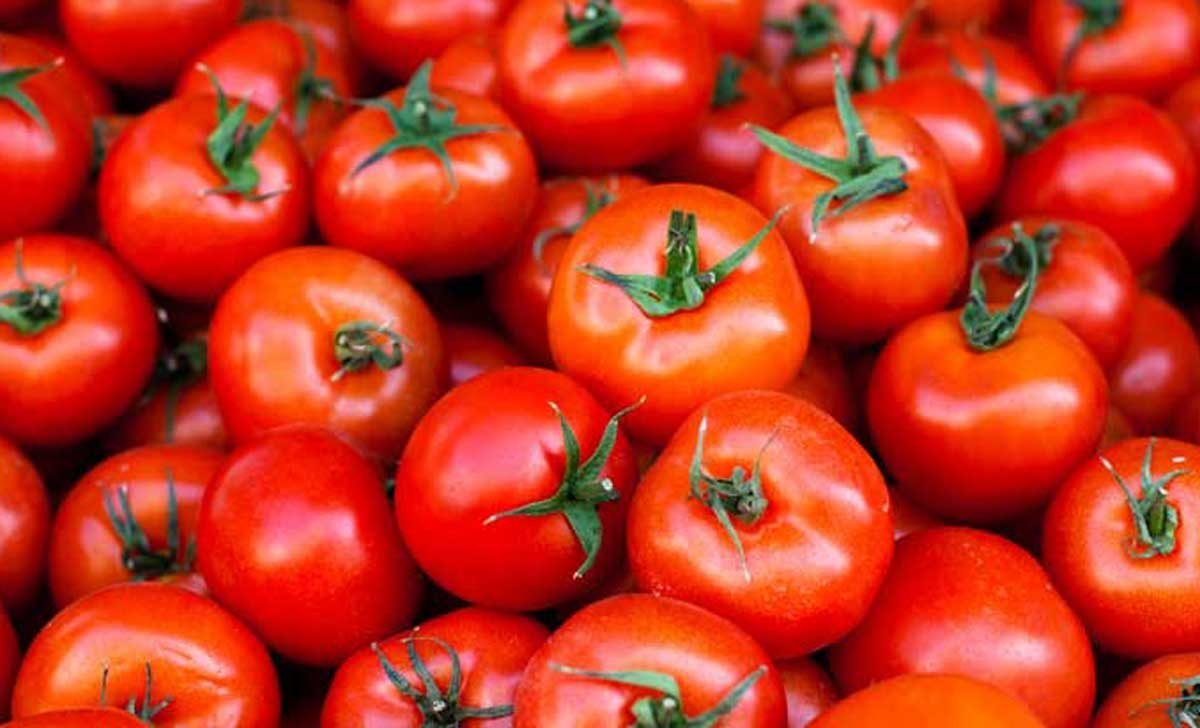
President of the United States of America, Donald Trump has announced a 17 percent tariff on fresh tomatoes from Mexico, scrapping a three-decade-old agreement to spare the produce from anti-dumping duties.

The Trump administration’s exit from the agreement on Monday came as the clock ticked down for Mexico to reach an across-the-board trade deal with the US by August 1 or face a general tariff of 30 percent on its goods.

“Mexico remains one of our greatest allies, but for far too long, our farmers have been crushed by unfair trade practices that undercut pricing on produce like tomatoes,” US Secretary of Commerce Howard Lutnick said in a statement.

CREDIT- Aljazeera

7 Health Benefits of Tigernuts Milk

Recently, tiger nut milk has gained popularity as a dairy-free alternative due to its rich, creamy texture and nutty flavor. In addition to being a delicious alternative to dairy milk, tiger nut milk also offers a number of health benefits.

Let’s explore some of the health benefits of tiger nut milk.

Health Benefits Of Tiger Nut Milk

Below are some of the health and nutritional benefits of tiger nut milk.

1. Very Rich in Fiber 

One of the primary health benefits of tiger nut milk is that it is rich in fiber. Fiber is an important nutrient that helps to support digestive health, regulate blood sugar levels, and lower cholesterol levels.

Tiger nuts are high in soluble fiber, which helps to keep the digestive system running smoothly and prevent constipation.

In addition, fiber helps to regulate blood sugar levels by slowing the absorption of sugar into the bloodstream, which can help to prevent spikes in blood sugar levels.

2. Contains Healthy Fats 

Tiger nut milk is also a good source of healthy fats, which is another fascinating nutritional benefit of Tiger nuts.

Tiger nut are also rich in healthy monounsaturated and polyunsaturated fats, which have been shown to support heart health by lowering cholesterol levels and reducing the risk of heart disease.

In addition, healthy fats are important for overall health as they help to support brain function, improve joint health, and regulate hormone levels.

3. Rich Source of Antioxidants 

Another health benefit of tiger nut milk is that it is high in antioxidants.

Antioxidants are important nutrients that help to protect the body from oxidative stress and reduce the risk of chronic diseases, such as cancer, heart disease, and diabetes.

Tiger nuts are high in antioxidants, including vitamin E, which has been shown to support heart health and reduce the risk of heart disease.

In addition, vitamin E is important for skin health as it helps to protect the skin from damage caused by free radicals and UV radiation.

4. High Nutrients Contents 

Tiger nut milk is also a good source of vitamins and minerals, including iron, magnesium, and potassium.

Iron is important for the production of hemoglobin, which carries oxygen to the body’s cells and helps to prevent anemia.

5 Alternatives to Dairy Milk

In addition to the health benefits mentioned above, tiger nut milk is also a good alternative to dairy milk for those who are lactose intolerant.

Unlike dairy milk, tiger nut milk is naturally lactose-free and can be consumed by those with lactose intolerance without causing any adverse effects.

Tiger nut milk is also a good alternative for those who are vegan or who have dietary restrictions, as it is made from a plant-based source.

6. Free of Gluten

Tiger nut milk is naturally gluten-free, which is a benefit for those with celiac disease or gluten intolerance.

Gluten is a protein found in wheat, barley, and rye that can cause digestive problems and other health issues for people with celiac disease or gluten intolerance.

By drinking tiger nut milk, they can still enjoy a creamy, nutty beverage without having to worry about any adverse effects.

7. Boosts Fertility and Sexual Health

Another potential health benefit of tiger nut milk is that it could boost fertility and sexual health in males.

A study showed that consuming tiger nuts can help improve testosterone levels and boost sexual activity.

Another study stated that tiger nuts may increase testosterone and copulatory activities.

WeCreativez WhatsApp Support
Our support team is here to answer your questions. Ask us anything!
👋 Hi, how can I help?