• I Am The GYANT; Yes, We Are The GYANT!
  • Talk To The Founder : +44 7827169080

Blog

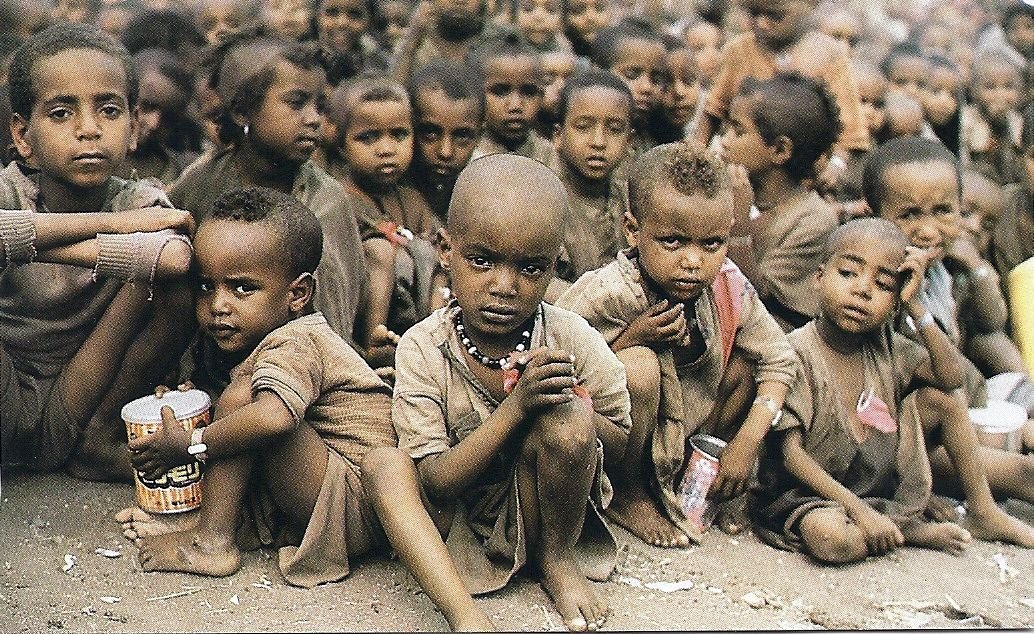
Millions May Die as Horn of Africa Faces Acute Hunger Crisis – WHO Warns

The World Health Organisation has warned that more than 37 million people are facing acute hunger, with approximately seven million children under the age of five acutely malnourished in the region.  

While finding food and safe water is the absolute priority, WHO said that ensuring a strong health emergency response is needed to avert preventable disease and deaths.  Tweet URL

The UN agency is calling for $123.7 million to respond to rising health needs and prevent a food crisis from turning into a health crisis.  

“The situation is already catastrophic, and we need to act now,” said Ibrahima Soce Fall, WHO Assistant Director General for Emergencies Response. “We cannot continue in this underfunding crisis”. 

The Horn of Africa includes Djibouti, Somalia, Sudan, South Sudan, Ethiopia, Uganda, and Kenya.  

Climate change, conflict, rising food prices and the COVID-19 pandemic have compounded one of the worst droughts in the region in recent decades, according to the WHO appeal

“There are now four seasons where the rain didn’t come as predicted and a fifth season is estimated to also fail. Places where there is drought the problem keeps worsening and worsening,” said WHO Incident Manager Sophie Maes.  

“In other places like South Sudan, there have been three years of consecutive flooding with almost 40 per cent of the country being flooded. And we are looking at something that is going to get worse in the near future.”  

Over 37 million people in the region are projected to reach the third level of the Integrated Food Security Phase Classification scale (IPC3) and higher in the coming months.  

This means that the population is in crisis, and only marginally able to meet minimum food needs by depleting essential livelihood assets or through crisis-coping strategies. 

The effects of drought are particularly severe in eastern and southern Ethiopia, eastern and northern Kenya, and southern and central Somalia.  

Food insecurity in South Sudan has reached the most extreme levels since independence in 2011, with 8.3 million people comprising 75 per cent of the population facing severe food insecurity. 

Acute malnutrition leads to increased migration as populations move in search of food and pasture, according to WHO. 

And disruptions often result in deteriorating hygiene and sanitation as outbreaks of infectious diseases, like cholera, measles, and malaria, are already on the rise.  

Moreover, weak vaccination coverage and health services with insufficient resources could see a widespread increase in the number of disease outbreaks in country and across borders.

Care for severely malnourished children with medical complications will be severely impacted and result in high child mortality rates.  

Disruptions in access to health care can further increase morbidity and mortality, as emergency conditions force populations to modify their health-seeking behavior and prioritize access to life-saving resources such as food and water.


Today, 15th July ( IN HISTORY)

1869 Hippolyte Mege Mouries received French patent No. 86489 for his process to make margarine. Emperor Napoleon III had offered a prize for a suitable substitute for butter, for use by the French Navy.\

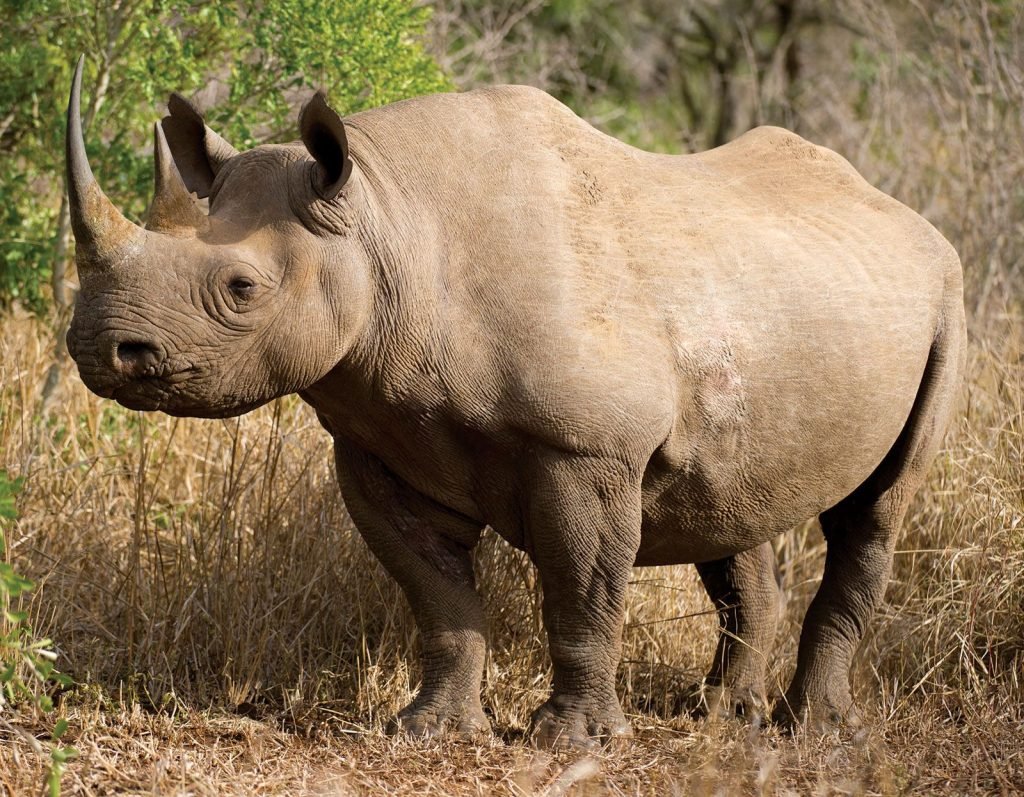
70 Rhinos Bred At Rwanda’s Controversial Captive Breeding Farm Set Free

Transporting the world’s second largest land mammal halfway across the second largest continent isn’t exactly easy.

But in a 3,400-kilometer (2,100-mile) journey that involved crates, cranes, trucks, and a Boeing 747, 70 captive bred southern white rhinos were moved from South Africa to Rwanda’s Akagera National Park in early June as part of an initiative to “rewild” them.

“Moving 70 rhinos across the continent is high-risk stuff,” Martin Rickelton, the head of translocations for African Parks, told CNN. So far, the animals appear to be doing well in their new home. “All reports are good,” Rickelton adds.

The creatures, which can weigh over 2,000 kilograms (more than 4,000 pounds), originated from a controversial breeding program started in the 1990s by property developer John Hume.

Hume, who spent years lobbying for the legalization of the rhino horn trade, amassed stockpiles of horn, obtained by trimming them without harming the animals, with the aim of flooding the market to driver poachers out of business and to fund conservation efforts.

But he ran out of money, and with the horn trade still banned under international law, he put the rhinos up for sale in 2023. He told Agence France-Presse (AFP) at the time that he’d spent around $150 million on the project – with surveillance being the largest cost. “I’m left with nothing except 2,000 rhinos and 8,000 hectares (20,000 acres) of land.”

He didn’t receive a single bid. African Parks — a conservation nonprofit that manages 23 protected areas across the continent — stepped in to acquire for an undisclosed sum what was the largest rhino captive breeding operation in the world, with plans to “rewild” the animals over 10 years.

The translocation marked the first cross-continental move for African Parks’ Rhino Rewild initiative.

“It’s a very important milestone,” says Taylor Tench, a senior wildlife policy analyst at the nonprofit Environmental Investigation Agency US, who wasn’t involved in the relocation. “This is definitely a big development with respect to African Parks’ efforts.”Today, there remain only about 17,000 southern white rhinos in Africa and they’re classified as “near threatened” on the International Union for Conservation of Nature’s Red List. That means the 2,000 southern white rhinos that African Parks bought, and plans to spread around the continent, comprise more than 10% of the remaining population.

Although the international trade of rhino horn has been banned under the Convention on International Trade in Endangered Species (CITES) since 1977, demand from consumers in Asia who see it as a status symbol, or falsely believe it can cure ailments ranging from hangovers to cancer, is still driving poaching.

Source: Foodreference.com

Dangote Plans Construction of Nigeria’s Largest Seaport

Aliko Dangote is forging ahead with a proposal to build a seaport in Ogun State to facilitate exports, including liquefied natural gas.

The move is expected to accelerate an expansion of Mr Dangote’s conglomerate, on Monday, citing an interview with Africa’s richest man.

An application to authorities last month, according to the outlet, sought “to build the biggest, deepest port in Nigeria” in Olokola.

The free trade zone was  previously considered as the host of Mr Dangote’s mega oil refinery and petrochemical plant, now situated on the outskirts of Lagos, before an impasse with the government thwarted the plan.

The port is conceived to connect the Dangote group’s logistics and export operations in Lagos, including Lekki Deep Sea Port, through which it currently ships petroleum products and fertilisers overseas.

“It’s not that we want to do everything by ourselves, but I think doing this will encourage other entrepreneurs to come into it,” Bloomberg quoted Mr Dangote as saying.

Betting on LNG exports requires the laying of pipelines from the Niger Delta, all the way to Lagos, an ambitious pursuit intended to overtake Nigeria NLG Limited (NLNG) as Africa’s biggest LNG exporter.

“We want to do a major project to bring more gas than what NLNG is doing today,” said Devakumar Edwin, a vice president of the group.

“We know where there is a lot of gas, so run a pipeline all through and then bring it to the shore,” he added.

The group exports fertiliser to the US, Brazil, Mexico, India, and recently disclosed an aspiration to set up a fertiliser plant in Ethiopia, which will help Africa’s second most populous nation develop production capacity.

CREDIT – Bloomberg

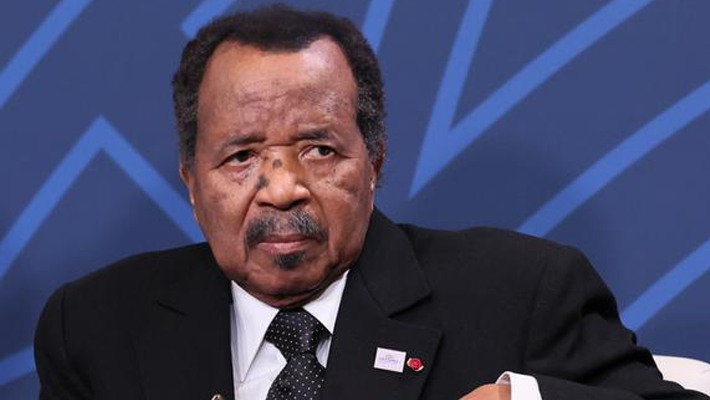
‘I Want to Rule Cameroon for Another Term’ – 92-year-Old Paul Biya Announces

Cameroon’s longtime leader, President Paul Biya, has officially announced he seeks another term in office.This would mark an end to months of speculation over his political future. The 92-year-old made the announcement on social media, stating his continued determination to serve and promising that “the best is yet to come.”

Biya has been at the helm of Cameroon for over 40 years, making him the second longest-serving president in Africa. His decision to seek re-election has sparked criticism from opposition figures and human rights advocates. One prominent activist described the announcement as a clear sign of Cameroon’s stalled political transition, adding that the country is in urgent need of democratic change and accountable leadership.

In 2018, Biya secured a controversial victory with over 70 percent of the vote. That election was marked by allegations of fraud, low voter turnout, and violence.

The country’s conflict-ridden English-speaking regions have been deeply affected by a separatist crisis that has forced thousands of students out of school and led to deadly clashes between security forces and armed groups.

Throughout his presidency, Biya has faced accusations of corruption and failure to address national grievances. His frequent absences from the country for medical treatment have also raised concerns about his health and ability to govern effectively.

As the country heads toward another election cycle, Biya’s bid for another term promises to be a polarizing chapter in Cameroon’s already complex political landscape.\

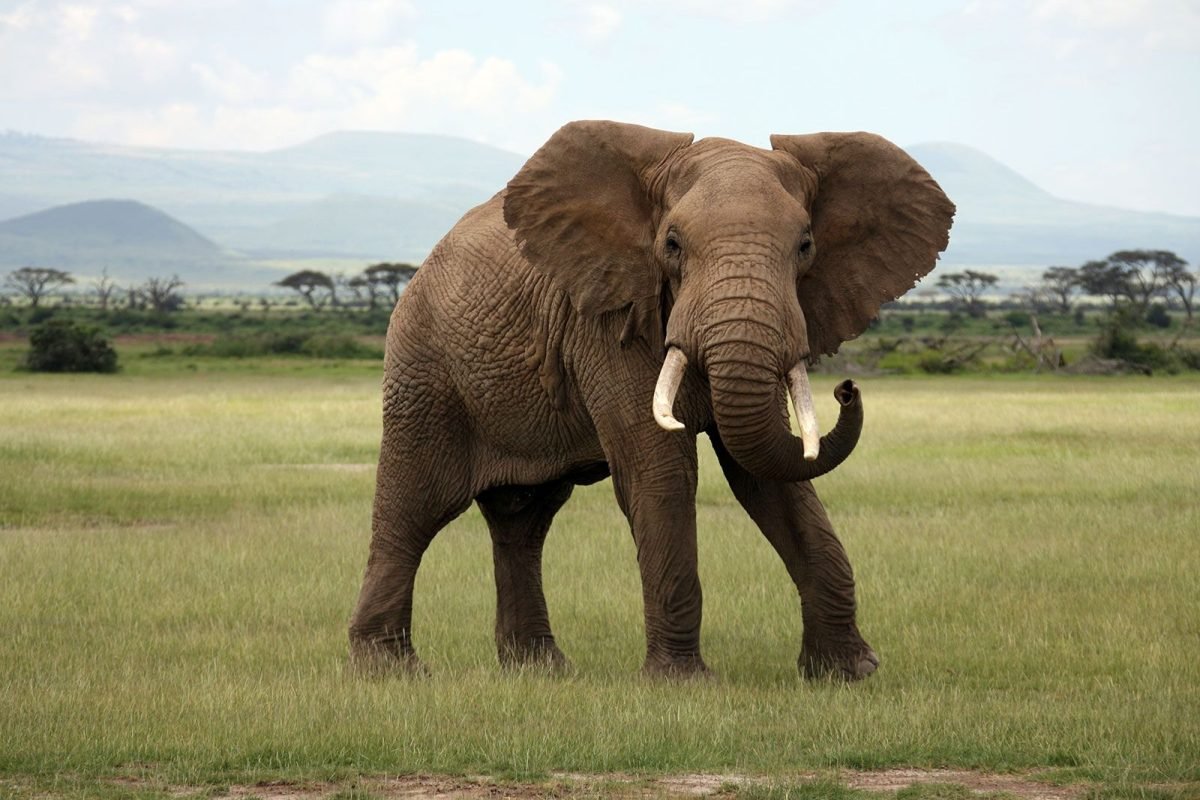
African Elephants May Go Extinct Soon If…….

African Elephants May Go Extinct Soon

The Secretary-General of the Convention on International Trade in Endangered Species (CITES)has said Elephants are at imminent threat of extinction in Western and Central Africa. He made this known at the opening of the 69th week-long committee.

According to him, while a steady decline in poaching has been seen across the African continent since 2011, illegal killings of elephants remain at high levels that have been exceeding increases in population rates.

Reports say that in 2006, a surge began in the illegal killings of elephants, which culminated in 2011, when 30,000 elephants were killed on the African continent. This surge led to the beginning of a global effort to stop the trade of illegal ivory.

“In western and central Africa, we need to move very fast right now, so we need to move over the next year, two, three, four, five years, so it is not something you can wait and say ‘let’s see what happens.”

“..we need to continue to move right now, otherwise they are at threat of imminent extinction, which means in the foreseeable future, which means not too far away, a few years away. I can’t put a precise date on it, but you know it’s an imminent threat, and that is why we are saying, we have to go in there hard now,” CITES chief, John E. Scanlon said.

In more than 25 countries identified as being part of the illegal ivory trade as source countries, transit or destination countries, wildlife crime is now treated as a serious offense and not just a trade offence. Offenders risk facing years in prison for killing animals, buying ivory or facilitating its trade.

This has led to a steady decline in poaching, with a record seizure of illegal ivory by authorities and a decrease in its value.

But the situation remains bleak in countries with long-standing weak law enforcement, corruption and high levels of poverty. Transnational gangs can still recruit people to poach and send illegal ivory to destination countries.

CITES will also be examining during their week-long convention illegal trade in pangolin, the poaching of rhinoceroses, as well as the saving of totoaba and vaquita, two fishes close to extinction.

The illegal trade of endangered species is a black market estimated to generate $20 billion each year.

Reuters

WeCreativez WhatsApp Support
Our support team is here to answer your questions. Ask us anything!
👋 Hi, how can I help?