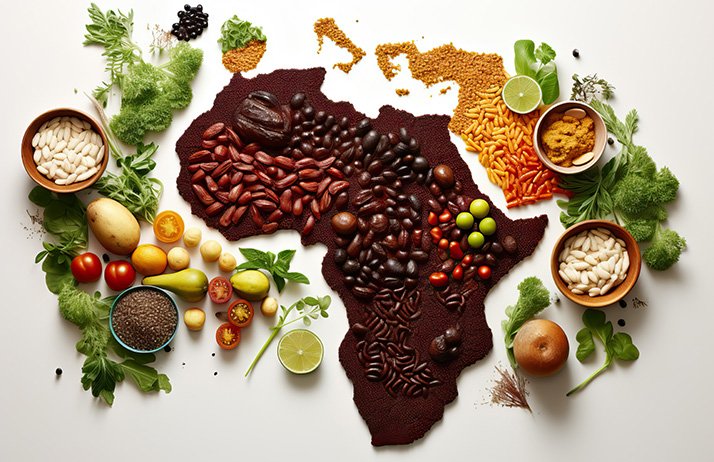
Historically, Agriculture has been the lifeline of African economies, and today, its importance is recognized as a major sector capable of driving widespread economic transformation.
With the sector contributing approximately 22 percent of Africa’s GDP and employing over 60 percent of the continent’s labor force, this sector has a significant impact on African livelihoods and economic stability. By investing in agriculture, Africa has the potential to accelerate GDP growth, enhance food security, create employment opportunities, mitigate inflation, and address social issues such as banditry. The strategic focus on agriculture is essential for sustainable development across Africa and creating a more resilient future.
Africa has vast arable land, a favourable climate, and diverse agricultural products, which create significant opportunities for boosting productivity and exports. Despite these advantages, African agriculture has historically been underdeveloped, with many countries relying on subsistence farming practices that yield low productivity.
Investment in modern agricultural practices, such as mechanisation, efficient irrigation systems, improved seed varieties, and climate-smart farming techniques, can significantly boost crop yields and production volumes. This productivity increase can drive GDP growth by raising the agricultural sector’s output, expanding exports, and creating a ripple effect that benefits related industries, such as agro-processing, transportation, and retail. Furthermore, exporting agricultural products generates foreign exchange earnings, helping countries strengthen their economies and build reserves for economic stability.
Lets look at the many benefits of Agriculture to the continent
Guaranteed Food Security
Food security is a major issue in Africa, where millions face hunger and malnutrition due to inadequate food production, high import dependency, and limited access to affordable food. Strengthening agriculture is essential for addressing these challenges. As African countries increase food production through modernised and efficient agricultural practices, they can reduce reliance on food imports, thereby protecting themselves from global food price volatility and supply chain disruptions.
Increased food production also enables African nations to supply enough food to meet domestic demand, making food more accessible and affordable for the population. This improvement in food security reduces malnutrition, enhances public health, and supports productivity by ensuring that citizens are better nourished and able to contribute to the economy. Moreover, food security fosters resilience, allowing countries to withstand external shocks, such as climate change and geopolitical conflicts, that impact global food supplies.
Africa is blessed with a young and rapidly growing population, with employment creation becoming a crucial focus for the continent’s leaders. Labour-intensive agriculture holds enormous potential to absorb this workforce, especially in rural areas with limited employment opportunities. By shifting from subsistence to commercial agriculture and developing agro-industries, Africa can create various job opportunities across the agricultural value chain.
Agricultural development includes crop cultivation and areas like food processing, distribution, marketing, and technology services. Each area creates new roles, ranging from skilled and semi-skilled labour to entrepreneurship opportunities for agripreneurs who can drive innovation and efficiency in the sector. Additionally, as agribusinesses grow, they stimulate local economies, increase household incomes, and promote rural development. This employment generation reduces poverty and encourages the development of a stable, prosperous rural society.
Crubing banditry and social restiveness
It’s no longer news that rural poverty and lack of economic opportunities are among the root causes of banditry and social instability in Africa. Young people, who often lack education and employment, may turn to crime or illegal activities as a means of survival. This situation is especially prevalent in areas where agriculture has declined or climate change has disrupted traditional farming practices, leading to food scarcity and economic insecurity.
By creating sustainable agricultural jobs, improving rural incomes, and promoting agribusiness, Africa can address some of the drivers of banditry. A thriving agricultural sector provides young people with alternatives to crime, fostering a sense of purpose and improving community stability. Furthermore, agricultural investment brings infrastructure, education, and healthcare to rural areas, which enhances the quality of life, reduces poverty, and contributes to a culture of peace. In this way, agricultural development has a direct impact on reducing social instability, which in turn creates a safer environment for investment and long-term growth.
Reduces inflation through domestic food production
Inflation is persistent in many African countries, often driven by high food prices. Because many African nations rely on food imports, they are vulnerable to fluctuations in international prices and currency devaluation. This dependency contributes to inflation, as the cost of imported food rises with global market shifts, impacting the cost of living and reducing purchasing power.
With an increase in domestic food production, inflation is controlled by stabilising food prices. When local production meets or exceeds demand, the reliance on imports decreases, which makes food prices more predictable and affordable. Moreover, reducing food imports strengthens the local currency, as less foreign exchange is spent on purchasing food abroad. By boosting agricultural productivity, African countries can mitigate inflationary pressures, create a more stable economic environment, and improve consumer affordability, particularly for low-income households disproportionately affected by rising food prices.
Agricultural Development in Africa and Challenges
While agriculture remains a solution to economic transformation, several challenges form impediments to its progress. African farmers need more access to financing, adequate infrastructure, climate-related risks, and market access. These obstacles must be addressed to fully unlock the potential of agriculture as a catalyst for economic growth and social stability.
Finance as a Vital Ingredient
Smallholder farmers often need more financial resources to invest in quality inputs, modern equipment, or advanced techniques. Affordable financing options like microloans, subsidies, and insurance enable farmers to improve productivity.
Developing Infrastructure
Poor infrastructure, such as inadequate roads, storage facilities, and limited electricity, hampers market access and leads to significant post-harvest losses. Investing in rural infrastructure is vital for connecting farmers to markets, reducing waste, and enhancing productivity.
Understanding Climate Change in Agriculture
Agriculture in Africa is highly vulnerable to climate change, with weather patterns becoming very unpredictable, droughts, and floods impacting crop yields. Climate-smart agricultural practices, such as conservation agriculture, crop diversification, and resilient crop varieties, are essential for building resilience.
Value Chains and Access to Markets
Fragmented value chains and limited market access prevent farmers from reaching larger, more profitable markets. Developing efficient supply chains and establishing agricultural cooperatives can help farmers access markets, improve bargaining power, and increase profitability.
The Role of Private Sectors, Private Sectors, Other Investors
To fully explore the potential of agriculture, African governments, private sector entities, and development partners must work together to create an enabling environment for agricultural transformation. Some key initiatives include:
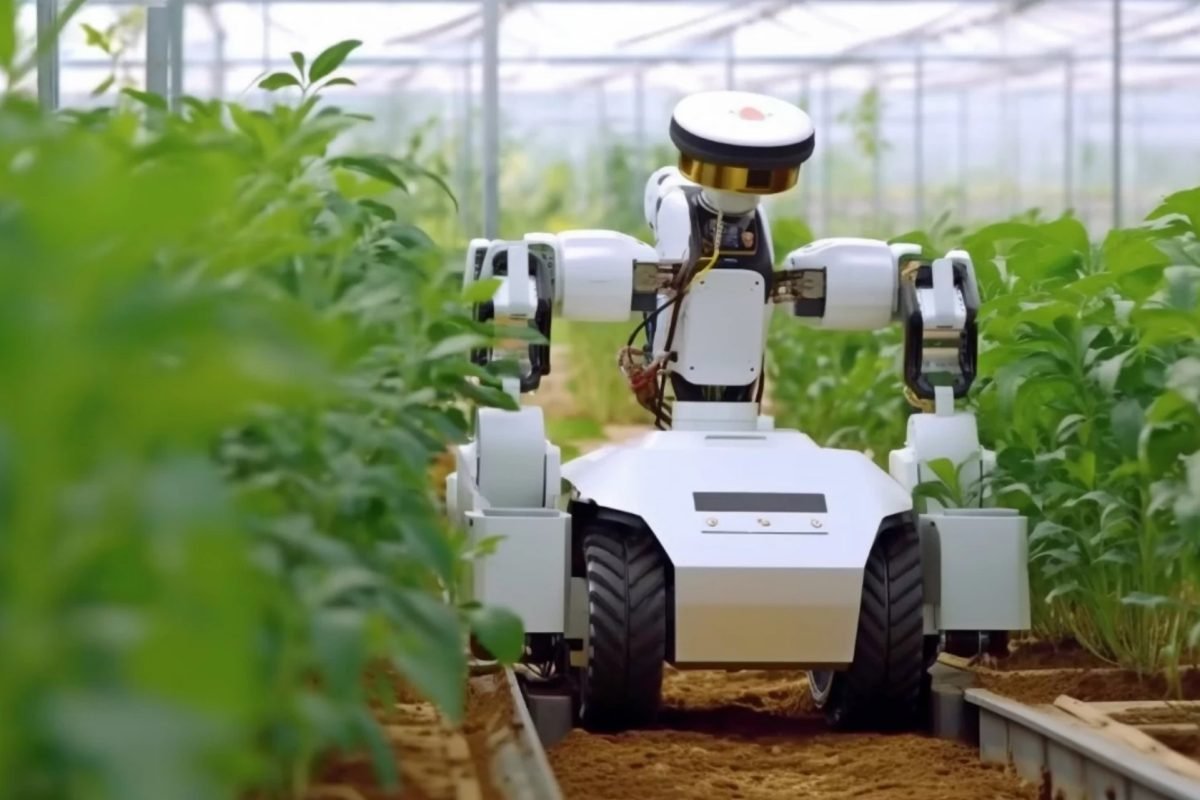
Investment in Agricultural Technology and Mechanisation
Technologies such as precision farming, improved irrigation methods, and digital platforms can significantly increase productivity. Digital solutions, including mobile apps, can provide farmers with real-time information on weather, crop prices, and best practices.
Building Capacity and Training
Vocational training and extension services are vital for equipping farmers with modern skills and knowledge, particularly for young people entering agriculture. Agripreneurship programs can also encourage youth to view agriculture as a profitable and sustainable career.
Public- Private Relationships
The relationship between governments, private enterprises, and non-governmental organisations can help develop robust agricultural value chains, expand access to finance, and promote sustainable agricultural practices.
Strengthening policy frameworks
Governments can play a crucial role by implementing policies that support rural development, improve land tenure security, and incentivise agricultural investment. Tax incentives, subsidies, and land reforms are policies that can create a more favourable environment for agribusiness.
Agriculture is at the heart of Africa’s sustainable growth and development pathway. Agriculture can transform the continent as a sector that drives GDP growth, ensures food security, provides employment, reduces inflation, and addresses social instability. By investing in agricultural modernisation, strengthening rural economies, and empowering smallholder farmers, Africa can unlock the full potential of its agricultural sector.
In doing so, Africa will secure food and jobs for its population, build resilient economies, foster social stability, and pave the way for a prosperous future. As African countries prioritise agricultural development, they set a course for economic self-reliance and create a foundation for inclusive growth that will benefit future generations.