• I Am The GYANT; Yes, We Are The GYANT!
  • Talk To The Founder : +44 7827169080

Author Archives: Admin

Africa’s 8 Most Popular Cuisines

Africa is not just blessed with flora and fauna. The continent boasts a wide array of cultures and traditions, giving it a unique blend of diversity. One of the outstanding heritages of Africa is its culinary variety. Let’s look at the eight (8) most popular cuisines of Africa.

1 Jollof Rice (West Africa): A beloved dish made with rice, tomatoes, and various spices

2.Ugali (East Africa): A thick, starchy porridge made from maize flour and water.

3 Bunny chow (South Africa): A fast food dish consisting of a hollowed-out loaf of bread filled with

4 Chicken kebabs (North Africa): Grilled skewers of marinated chicken.

5 Injera (East Africa): A sourdough flatbread made from teff flour

6 Couscous royale (North Africa): A dish made from steamed semolina wheat.

7 Moambe chicken (Central Africa): A chicken stew made with palm fruit sauce.

8 Pap en Vleis (South Africa): A traditional South African dish of meat and maize porridge.

Health Benefits of Ginger

Ginger water is a natural remedy used to help conditions like nausea and morning sickness. It has several health benefits. Making ginger water correctly is important because you want to get the dose right.

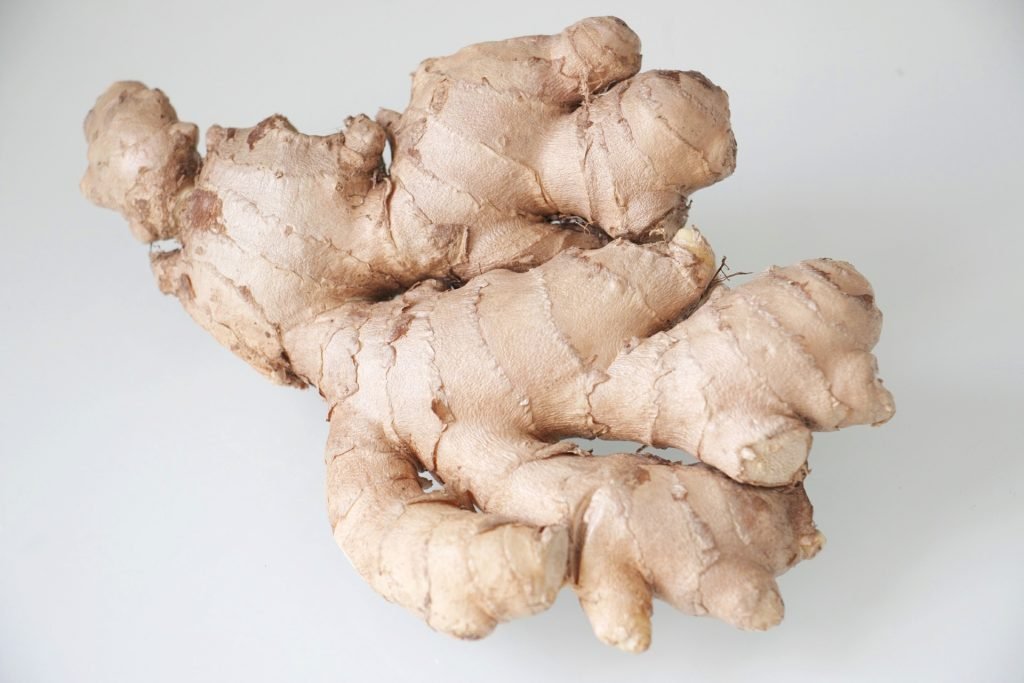
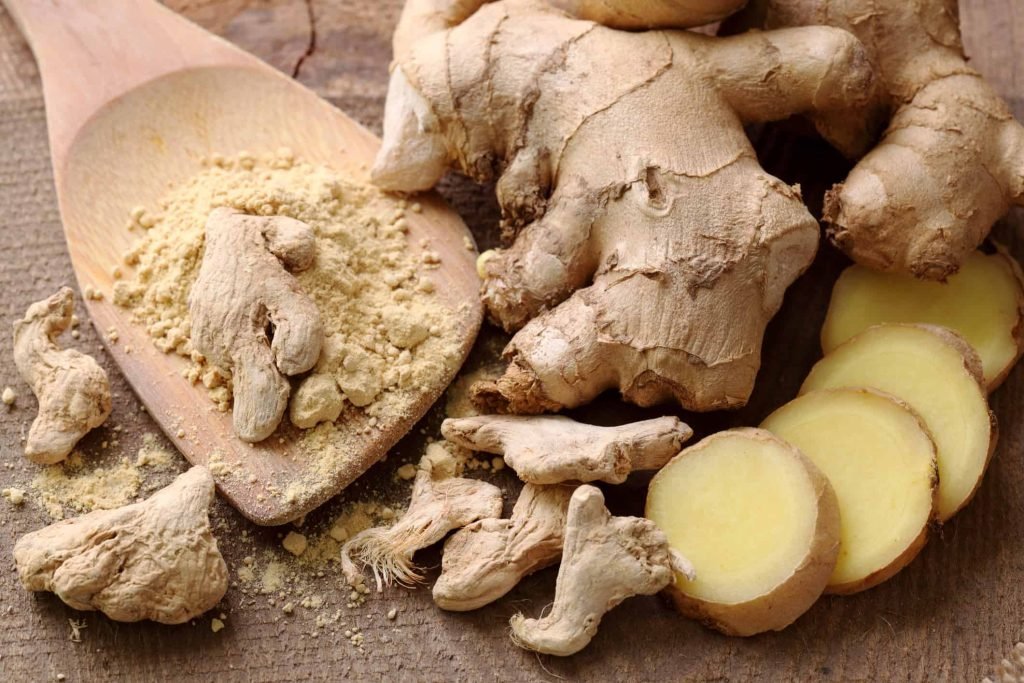
Ginger is native to Southeast Asia. It’s common in food and herbal remedies around the world. The ginger plant is rich in natural chemicals that can promote health and wellness.

Ginger water, also known as ginger tea, is one way to enjoy the benefits of ginger. Read on to learn more about the possible health benefits benefits, uses, and side effects of ginger water.

Benefits of Ginger Water

As with many herbal medicines, more research is necessary to better understand and prove the uses of ginger and ginger water.

Many anecdotes about uses for ginger water can’t be guaranteed to be healthy or effective. However, limited research does back several potential benefits.

Anti-Inflammatory Properties

Inflammation is one of your body’s natural self-preservation functions. Diet and lifestyle changes may be necessary to fight chronic inflammation.

Consuming ginger may help prevent and heal inflammation. 2020 research found that oral and topical ginger helped reduce inflammation in cases of delayed onset muscle soreness.

According to research, human and animal studies have suggested that certain compounds in ginger helped reduce symptoms of inflammatory conditions, such as arthritis

While a doctor may recommend medical treatments to directly address inflammatory conditions, you may wish to discuss with your doctor the possible benefits of adding ginger to your diet.

Antioxidants

Antioxidants fight reactive oxygen species (ROS), which cause oxidative stress and damage your cells. Your body naturally makes ROS, but some lifestyle choices — like drinking large quantities of alcohol, smoking, or experiencing chronic stress — can make you produce too much ROS.

Consuming foods and drinks with antioxidants, like ginger water, may help prevent and fight the negative side effects of ROS.

Research showed that numerous clinical studies have identified the antioxidant properties of ginger. The review suggests that ginger may be a complementary treatment for conditions such as obesity, diabetes, chronic kidney disease, and cardiovascular disease.

You may wish to talk with your doctor about the possible benefits of ginger’s antioxidant properties for your specific condition.

Anti-nausea and digestion aid

Cultures around the world regularly take ginger to help ease indigestion and nausea.

Ginger may help manage nausea and vomiting. The article also indicates that further studies could help better understand which ginger constituents may be most beneficial.

Manage blood pressure

Research in 2019 showed that ginger could help lower both systolic blood pressure and diastolic blood pressure.

The review notes that further studies are necessary to learn more about the possible benefits of ginger on blood pressure.

Balance blood sugar

Ginger improves fasting blood sugar in people with diabetes. These and other findings show promise that ginger can help treat health concerns caused by chronic diabetes.

However, a 2019 study found that consuming ginger did not significantly alter fasting blood sugar. It did improve the glycated hemoglobin (HbA1c) from the baseline, though.

Cholesterol

A study in 2018 showed that ginger could help manage triacylglycerol (TAG) and low-density lipoprotein cholesterol (LDL-C).

It also found that a low dose of no more than 2 grams of ginger per day could help lower TAG and total cholesterol.

Weight loss

Reports show that ginger supplements significantly decreased body weight and waist-to-hip ratio.

However, the review found that ginger did not affect body mass index (BMI).

Hydration

While ginger may not directly help with hydration, taking your ginger in water may help.

Starting your day with a glass of ginger water, or finding another regular time to drink one each day, can help you hydrate.

Credit -www.healthline.com

Crashing Onion Prices in Nigeria: Producers Deny Impact of Niger Republic Imports

The National Onion Producers, Processors and Marketers Association of Nigeria (NOPPMAN) and the Regional Observatory of Onion in West and Central Africa (ORO/WCA) have refuted as misleading a recent report alleging that massive onion imports from the Niger Republic are responsible for falling prices in Nigeria.

In a joint statement issued in Sokoto on Sunday, the associations described the report as “false, unfounded, and unsupported by any credible trade or market data.”

The bodies emphasised Nigeria’s dominance in onion production within Sub-Saharan Africa, asserting that the country remains a net exporter of onions—not an importer—especially to neighbouring countries like Niger Republic.

“Nigeria’s domestic production far exceeds that of Niger Republic, which actually depends on our supply during its lean seasons,” the statement noted.

To expatiate their position, the associations presented current market price data revealing that importing onions from Niger is commercially unviable.

“As of July 2025, onions in Niger Republic cost between 35,000 to 50,000 CFA (₦95,000 – ₦135,000) per bag, excluding transport and duty costs. Meanwhile, prices in Nigeria range from ₦90,000 to ₦100,000 per bag,” they explained.

The groups stressed that such pricing patterns clearly demonstrate that the alleged influx of cheaper onions from Niger is economically unrealistic.

Recalling a similar market scenario from March 2025, the statement added that while Nigerian onions sold for ₦40,000 per bag at that time, Nigerien onions were priced at 15,000 CFA (about ₦50,000), further debunking any narrative of cheaper imports flooding Nigerian markets.

Rather than foreign imports, the associations identified internal factors—such as seasonal production cycles, inadequate storage infrastructure, and local supply-demand dynamics—as the real causes of onion price volatility in the country.

The groups expressed concern over what they called “sensational journalism” that threatens to distort public understanding and policy around Nigeria’s agricultural sector.

“We urge reputable media houses like The Guardian to verify facts with recognised stakeholders before going to press. Such inaccuracies can damage the integrity of our agricultural value chain,” the statement warned.

In a related note, NOPPMAN and ORO/WCA commended the Federal Government, particularly the Ministry of Agriculture and Food Security and the National Agricultural Development Fund (NADF), for ongoing interventions aimed at supporting onion farmers, especially those affected by recent floods.

Looking ahead, the organisations reaffirmed their commitment to expanding onion production through modern storage systems, processing facilities, and stronger market linkages to ensure long-term food security and economic development.

They called on policymakers, researchers, and the public to rely on data from credible sources such as NOPPMAN and ORO/WCA when engaging with agricultural trade issues.

“As the backbone of onion production in the region, we remain committed to transparency and collaboration in advancing Nigeria’s agricultural prospects,” the statement concluded.

Desertification Taking Up 43% of Nigeria’s Land, 40 million Livelihoods at Risk – FG 

The Federal Government of Nigeria has said desertification and land degradation are threatening the livelihoods of over 40 million Nigerians and have already impacted 43% of the country’s total landmass, approximately 923,000 square kilometres.

The Minister of Environment, Mr. Balarabe Lawal, disclosed this on Friday in Abuja at a National Dialogue themed “Restore the Land: Unlock the Opportunities.” 

The event was put together by the Centre for Journalism Innovation and Development (CJID) under its Climate Change Project, with support from the Federal Ministry of Environment.

The dialogue was held to commemorate the 2025 World Desertification and Drought Day (WDD) as well as Sand and Dust Day.

Represented by the Ministry’s Permanent Secretary, Dr Mahmud Kambari, the minister described land degradation as a global crisis.

Lawal noted that dryland degradation had resulted in the loss of 24 billion tonnes of fertile soil globally, significantly reducing food production and threatening food security.

Citing the United Nations Convention to Combat Desertification (UNCCD), Lawal said that more than two million hectares of land were lost annually to desertification, land degradation, and drought.

“In spite of this, it is estimated that 300 million hectares of land will be required to meet food demand by the year 2030,” he said.

He explained that the 2025 WDD theme emphasized the importance of investing in sustainable land management practices to prevent and reverse land degradation.

The efforts, he said, also tackled broader challenges such as economic and food insecurity, water shortages, and climate change.

Lawal stressed that achieving Nigeria’s socio-economic growth targets would not be possible without environmental protection and sustainable management of land and natural resources.

He added that the government was prioritizing environmental issues and had developed institutions, policies, action plans, programmes, and projects aimed at addressing land degradation, desertification, and related environmental threats.

In her remarks, Mrs Regina Nwaneri, Director of the Department of Desertification, Land Degradation, and Drought Management, said Nigeria, as a party to the UNCCD, remained committed to combating desertification.

However, she warned that current land restoration efforts were not at a scale sufficient to meet urgent national and global needs.

She noted that in spite of UN projections that one billion dollars was needed daily from 2025 to 2030 to combat land degradation, current investments in restoration efforts fell short of that goal.

Nonetheless, she acknowledged the Nigerian government’s ongoing investments in land restoration and drought management.

Earlier, Mr Ifeanyi Chukwudi, Senior Project Manager at CJID, stated that the centre was working with relevant ministries and stakeholders to promote scalable, policy-driven interventions.

He added that CJID was also supporting research and the media in raising awareness of drought and desertification challenges.

“We have engaged more than 500 journalists across Nigeria and the Lake Chad region to spotlight land issues and bring them to the forefront for policymakers’ attention,” Chukwudi said.

He called on the government to hold land users accountable, particularly organizations that extracted natural resources without approval, proper land assessments, or adherence to regulatory procedures.

Food Security In 2026: Stakeholders Seek Increased Budgetary Allowance, Urgent Reforms

Stakeholders from across Nigeria’s agriculture sector have issued a call for urgent reforms, inclusive policies, and increased budgetary allocation to agriculture. This is coming as deliberations for the 2026 national budget intensify

This is just as they expressed dissatisfaction with the continued decline in federal allocation to agriculture, falling to just 1.2 per cent of the national budget in 2025, a sharp drop from the 4.2 per cent allocated in 2024.

The demand came after the 3-day National Stakeholders Consultative Meeting on the 2026 Agriculture Budget, held in Lagos.

The meeting was jointly organised by ActionAid Nigeria, the Federal Ministry of Budget and Economic Planning, the Federal Ministry of Agriculture and Food Security (FMAFS), GIZ Global Programme AgSys Nigeria, the Community of Agricultural Non-State Actors (COANSA), and the Department of Agriculture and Rural Development of the ECOWAS Commission.

The forum brought together over 130 participants, including members of the National Assembly, federal and state ministries, civil society groups, research institutions, farmer organisations, the media, and development partners.

Participants reviewed Nigeria’s agriculture policies, assessed the implementation of the National Agricultural Technology and Innovation Policy (NATIP), and examined alignment with the Comprehensive Africa Agriculture Development Programme (CAADP), the 2014 Malabo Declaration, and the 2025 Kampala Declaration on food systems transformation.

They expressed deep concern about the multiple crises plaguing the sector, including climate change, insecurity, low investment, and poor budget performance.

One of the most pressing concerns raised was the rising hunger and food insecurity levels.

The stakeholders cited projections that over 30.6 million Nigerians across 26 states and the Federal Capital Territory would face acute food and nutrition insecurity at crisis levels during the 2025 lean season.

This figure was attributed to insecurity, displacement of farmers, climate-induced disasters like floods and droughts, and soaring food prices.

According to a communique issued at the end of the meeting, “Between 2022 and 2024, floods submerged thousands of hectares of farmland, with over 1.1 million hectares affected in 2024 alone.”

Participants also noted with dismay that the federal allocation to agriculture has continued to decline, falling to just 1.2 per cent of the national budget in 2025, a sharp drop from the 4.2 per cent allocated in 2024.

This is far below the 10 per cent benchmark committed to by Nigeria under the Maputo and Malabo Declarations.

They also observed that no state in the country, including the Federal Capital Territory, has met this benchmark.

Budget releases were also reported to be erratic and delayed, with capital releases for 2025 standing at zero as of the second quarter.

While personnel costs are routinely released in full, critical overheads and capital funding required for project execution are often withheld or delayed, undermining impact and service delivery.

In addition to budgetary shortcomings, the meeting spotlighted systemic exclusion and inequity in the agriculture system.

Women who form the backbone of smallholder agriculture in Nigeria are grossly underfunded, with actual budgetary allocations rarely reflecting the 35 per cent earmarked for them in the National Agricultural Gender Policy.

Young people and persons with disabilities (PWDs) also remain on the margins of agricultural investment, lacking access to land, credit, inputs, and extension services.

Customary land tenure systems continue to deny many women and youth the right to own or inherit land, preventing them from expanding their farms or accessing credit.

Despite the constraints, the sector continues to contribute significantly to Nigeria’s GDP, averaging between 23–29 per cent from 2015 to 2024.

The Ministry of Agriculture and Food Security has been making efforts to modernise the sector through mechanisation, youth empowerment, and private sector engagement.

However, stakeholders insisted that more strategic, inclusive, and well-funded interventions are urgently required to unlock the sector’s full potential and drive national development.

The communique called on the federal government to raise the agriculture budget to at least 10 percent of national expenditure, in line with continental commitments.

It urged early and front-loaded budget releases, particularly for capital projects, to align with the agricultural season. Participants recommended that the presidency lead the charge by making agriculture a top national priority beyond political rhetoric.

They also called for the establishment of an independent, publicly accessible monitoring system to ensure transparency, track fund utilisation, and hold violators accountable.

Recommendations also included strengthening agricultural insurance and climate risk mitigation strategies, reforming land tenure and input distribution systems, investing in inclusive rural infrastructure such as roads and storage facilities, and developing climate-smart agricultural practices. Participants stressed the need to empower the National Agricultural Development Fund (NADF) with consistent financing while channeling unspent capital allocations at the end of each fiscal year into the fund.

The meeting proposed specific budget lines for women, youth, and PWDs, including a dedicated 10–15 per cent allocation for youth agripreneurs and at least 50 per cent participation of young women in youth-focused agricultural programs. State-level youth farm clusters, regional agri-innovation hubs, and cooperative-based financing models were also recommended to boost inclusion and productivity.

WeCreativez WhatsApp Support
Our support team is here to answer your questions. Ask us anything!
👋 Hi, how can I help?